
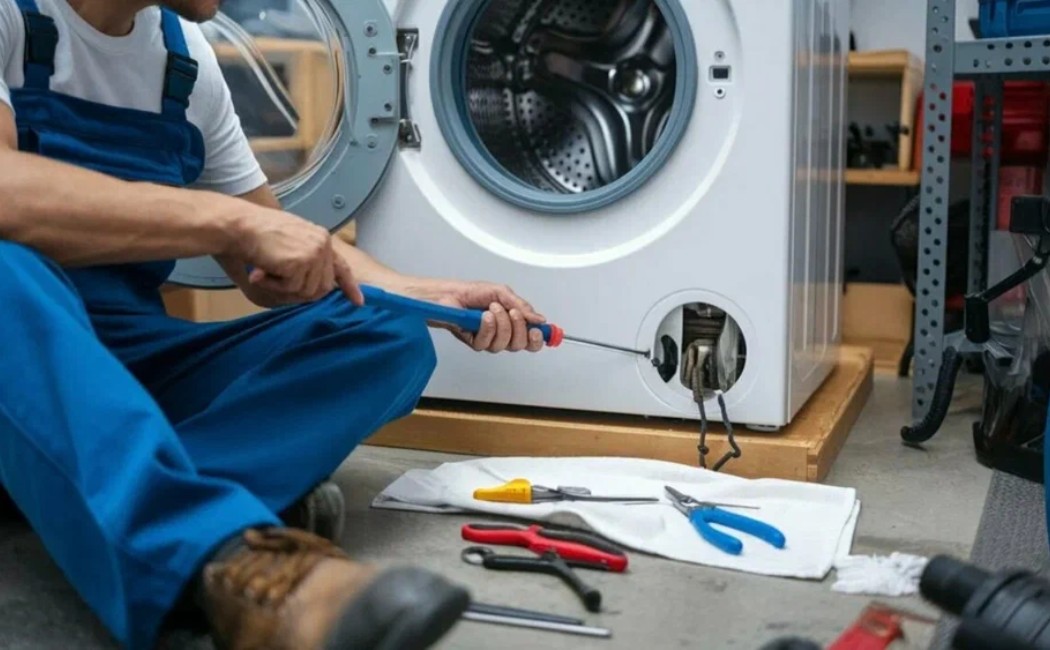
All house owners are stuck with the same annoying dilemma: to repair a broken appliance or to buy another one? As prices go up and technology advances, sometimes it is not a simple matter of making the correct choice. Knowledge of the balance between appliance repair services and replacement can save you money, enhance efficiency, and minimize unnecessary wastage.
This guide will identify the key aspects of it, such as costs and life span, to energy efficiency in such a way that you can make a decision with confidence and make it cost-effective.
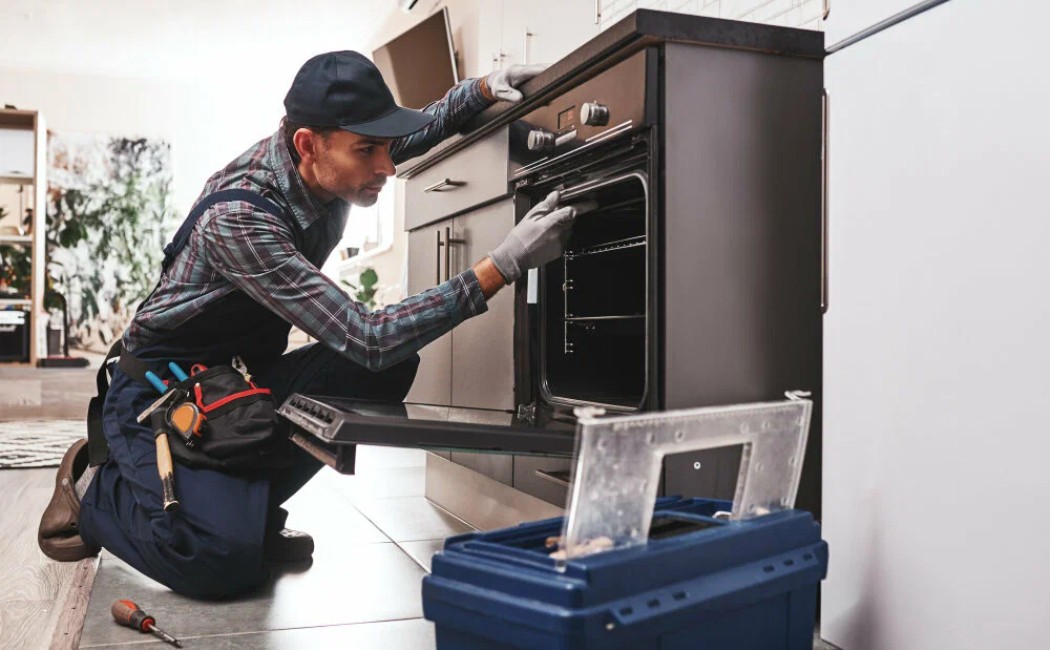
Understanding Appliance Repair vs Replacement Cost
Cost is one of the largest determining factors. Most of the homeowners have a problem when it comes to deciding whether to repair or replace the appliance, especially when repairs appear cheap on the face of it.
Repair Costs Pay to Pay
When the cost of repair is below half of the cost of a new appliance, it is often wiser to repair. Small problems such as a broken thermostat, a broken and frayed belt, or a clogged filter can be easily and cheaply repaired.
Replacement Is More Economical
When any repairs are more than half the price of a new appliance or when such repairs are frequent, it is more economical to replace. Constant repairs may soon become expensive, and a new one will be more economical over time.
Hidden Costs to Consider
In addition to the direct costs of repairs, think about the energy costs in the long run, the rate of maintenance, and the possible downtime. The use of older appliances may be more energy-consuming, making them more expensive to operate.
Signs To Replace Home Appliances
There are cases when appliances obviously state the time to go. Major issues can be avoided by being aware of when household appliances need to be replaced in the first place.
Breaking Down And Repairing
When your appliance needs regular repairs, it is not reliable. Regular breakdowns not only cost money but also interfere with day-to-day activities.
Outdated Technology and Low Performance
Outdated appliances can be either outdated in terms of functionality or inefficient in use, or even nonconformant to the present standards. As an example, refrigerators or washing machines that have expired consume a lot more water and electricity.
Safety Issues and Bizarre Noises
Abnormal sounds, smells, or electricity may be significant of grave problems. Replacement is usually safer than repair in such instances.
When to Repair Appliances Instead of Replacing
Although a replacement is needed in some cases, in most cases, repair is the most appropriate option. Being aware of the time when to fix appliances rather than buy new ones can save you some money and prolong the life of your appliance.
Minor and Isolated Issues
Small issues such as a broken seal, broken switch, or blocked drain are usually straightforward to resolve. Such problems are not enough to make the appliance be substituted altogether.
Relatively New Appliances
When your appliance has not yet reached the anticipated life, then repair is generally a wiser investment. The majority of the new appliances will last a number of years under the right maintenance.
Accessibility to Low-Cost Parts
Repair is a viable option when the parts to be replaced are easily accessible and affordable.
Appliance Lifespan Guide: What is the Lifespan of Household Appliances?
The knowledge of the lifespan guide of the appliance can be used to decide whether it is best to repair or to replace the appliance.
Average life of usual appliances
- Refrigerators: 10–15 years
- Washing machines: 8–12 years
- Dishwashers: 8–10 years
- Ovens and stoves: 10-15 years.
- Microwaves: 7–10 years
Influencing Factors
The longevity is greatly affected by the usage frequency, maintenance habits, and the quality of the build. Maintenance-free heavy usage may seriously reduce the life span.
Extending Appliance Life
Regular maintenance, early repairs, and such usage can give your appliances a longer lifespan. It can make a huge difference with simple measures such as filter cleaning and not overloading.
Efficiency of old and new appliances
A significant consideration in making a decision on whether to repair or replace is energy consumption. The utility bills may be greatly affected by the energy efficiency of used and new appliances.
Advantages of New Energy-Saving Appliances.
The newer models use less energy and water; therefore, they are cost-effective in the long run and eco-friendly.
Comparing Operating Costs
An older fridge, say, may cost as much as 2 times the electric power used by a new Energy Star-rated fridge. These savings will eventually cover the replacement cost.
Environmental Impact
By replacing inefficient appliances, you will decrease your carbon footprint and promote sustainable living.
Economical Appliance Repair Hacks
The intelligent homeowners are aware of how to maintain low repair expenses and reap the maximum performance. These tips on repairing your appliances cost-effectively can help you save money.
Consistent Service Is Important
Prevention helps in minimizing the chances of significant breakdowns. Repairs can be expensive, and by cleaning coils, hose checks, and filter replacement, one can avoid maintenance costs.
Diagnose Problems Early
By solving minor problems in their initial stages, it is possible to save time and money. Little issues are the ones that should not be ignored but result in more costly repairs.
Hire Qualified Professionals
Having trained technicians would provide proper diagnosis and provide lasting repairs. Do-It-Yourself repairs may even exacerbate the situation when they are not correctly undertaken.
Common Appliance Troubleshooting
Knowing the general troubles of appliances and how to fix them may guide you to make a decision about what to do next: repair or replace.
Refrigerator Not Cooling
This may be a result of dirty coils or a faulty thermostat. It can be repaired in the majority of cases unless there is a failure of the compressor.
Washing Machine No Drain
Drainage blockages or pump problems are not uncommon and tend to be cheap to repair.
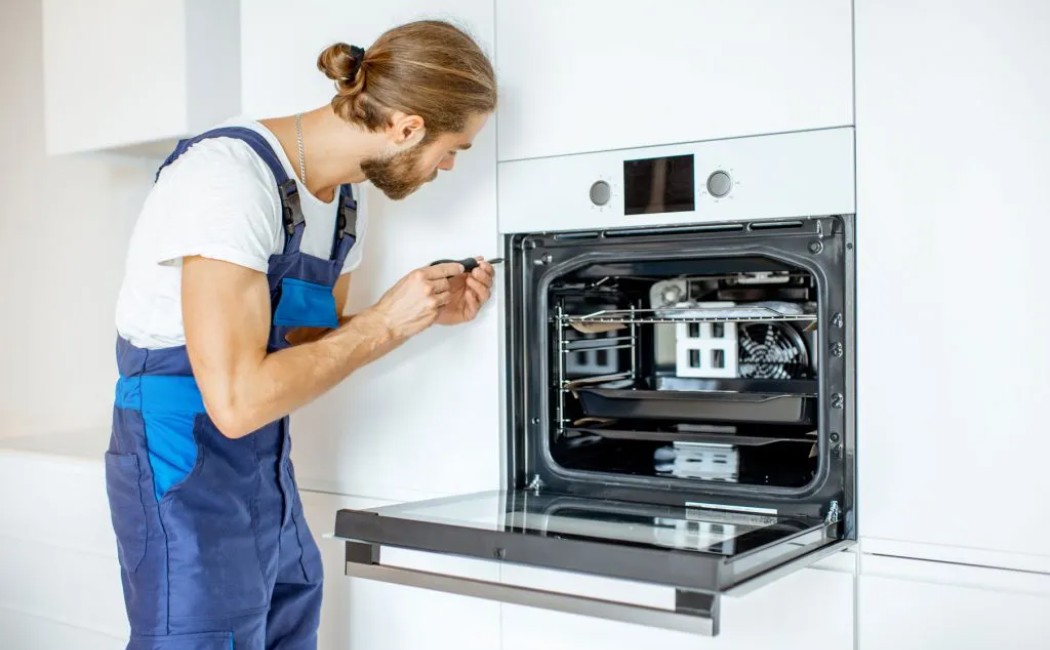
Poor Oven Heating
Damaged heating devices or sensors may be easily replaced without replacing the entire unit.
Guide on Decision Making- Repair or Replace Appliances
The final decision must be made in a balanced manner. This is a guide in repair or replacing appliances that makes it easier.
Assess Age and Condition
When the appliance is almost reaching the expiry of its life and is having problems, then replacement is usually the more appropriate option.
Compare Costs and Benefits
Compare the cost of repair with the cost of replacement, such as long-term energy savings and increased performance.
Consider Future Reliability
Even after repairing an appliance, the appliance can fail again if it is already old. Your decision should always include reliability.
Repairing Appliances to Prolong Life
The maintenance of appliances in a proper way to prolong their life is imperative in order to get the best out of your investment.
Regular Cleaning and Maintenance
Frequent cleaning will avoid the accumulation that may harm the components. Inspections assist in detecting possible problems at an early stage.
Follow Manufacturer Guidelines
It is best to use appliances as recommended by their manufacturers to guarantee maximum functionality and durability.
Schedule Professional Servicing
Regular inspection by specialists can ensure a smooth operation of appliances and avoid mechanical failures.
About Windsor Handy
At Windsor Handy, we provide reliable and quality appliance solutions based on your needs. We have a team of qualified specialists is efficiency-driven, affordable, and customer-oriented. We make sure that your appliances are working at their best, whether you require fast repairs or professional advice to save time, money, and stress. At the time when your appliances malfunction, the service of appliance repair services that you can trust becomes the key.
Conclusion
There is no need to be overwhelmed in deciding between repairing or replacing a household appliance. Knowing the costs, lifespan, efficiency, and performance, you will make smarter decisions that will help you save money and make your home more functional. Although repairs may be best suited to address the small problems or newer appliances, replacement will be needed when the cost increases, efficiency declines, or the safety is compromised.
Balance is key: invest in regular maintenance, address problems early, and rely on professional expertise when needed. If you’re unsure, contact Windsor Handy today to assess your appliance and get the most cost-effective and reliable solution for your home.
FAQs:
In what cases should I repair or replace an appliance?
When the price of repair is less than half the price of replacing the appliance and the appliance is not too old, then repair is normally the superior choice.
How long is the lifespan of household equipment on average?
The life of most appliances is 7-15 years, depending on the kind of appliance, usage, and upkeep.
Are the new appliances more efficient?
Yes, the new appliances are developed to consume less energy and water, lowering the utility bills and decreasing the environmental impact.
Does regular maintenance actually prolong the life of appliances?
Absolutely. Cleaning, regular checks, and timely repairs can help a lot in extending life.
Should the old appliances be repaired?
It is based on the condition and repair price. When the appliance is at the end of its life span, it is usually more economical to replace it.